Define the zone
Begin with the spaces, risks and approved instructions that govern your site.
Industrial · Sector operations
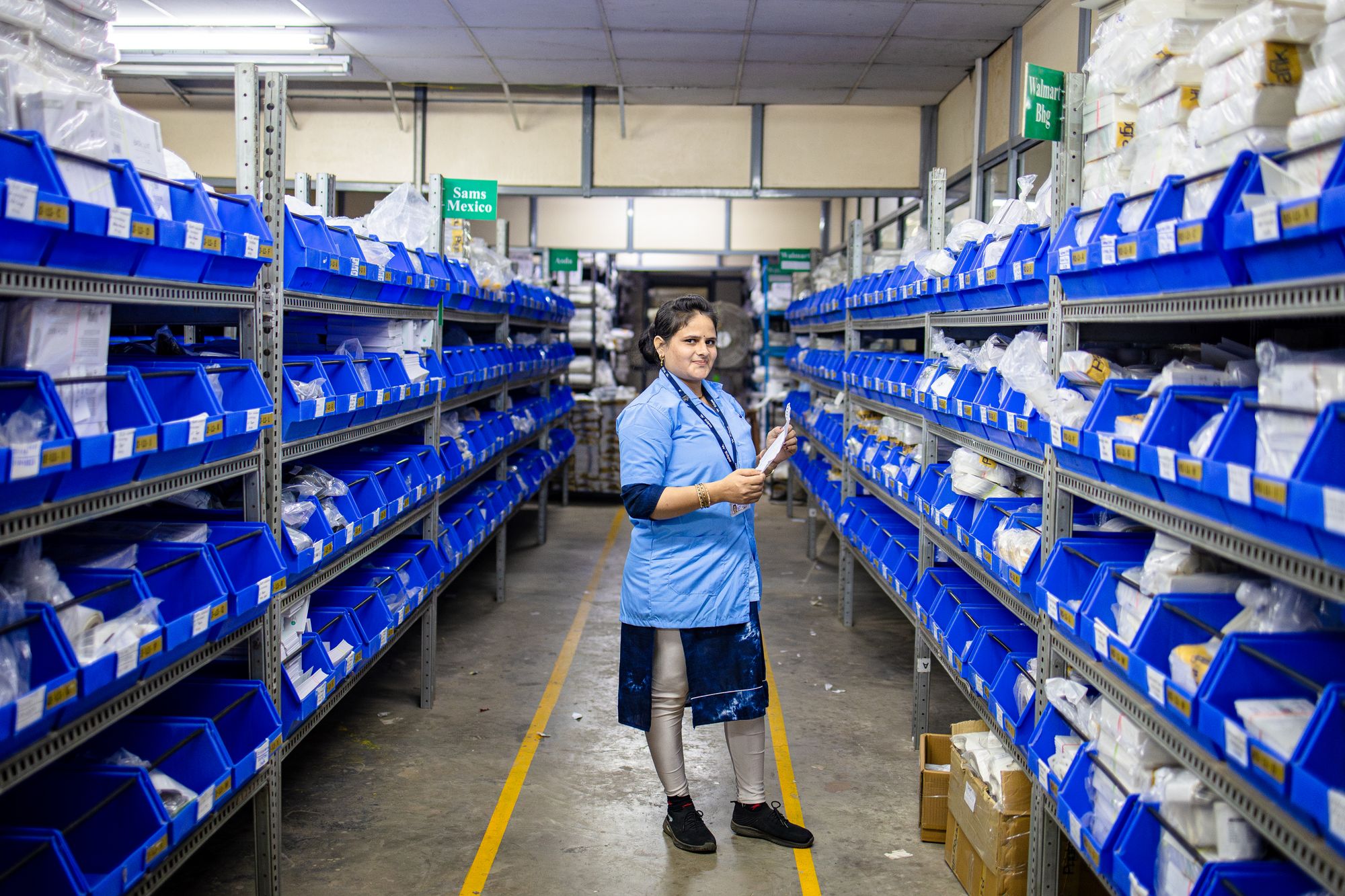
Industrial facilities add grease, oil, tyre marks, warehouse traffic, equipment surfaces and supply-risk considerations to normal workplace sanitation. The tool set needs to cover both cleaning math and operational continuity.
Designed around your operation
Connect zone tasks, approved work instructions and accountable handovers with the realities of production.
Explore the operating areas
Context · area and approved method
✓Ownership · responsible team
✓Evidence · completion and exceptions
✓Review · accountable closure
↗A simple working rhythm
Begin with the spaces, risks and approved instructions that govern your site.
Make responsibilities and operating constraints visible before work begins.
Record exceptions and route unresolved items to the responsible person.
Before you begin
Useful tools start with clear boundaries.
No. Use the planner alongside approved SOPs and locally defined responsibilities. It structures the work; it does not set your operating standard.
Saved drafts and snapshots stay in the browser where they were created. They are not account-synced or automatically shared across devices.
The Guides and Help sections explain each sector planner, including local storage and source references.
01 · Recognise the context
The surface, soil, frequency, people and control requirements change from one space to another. Name the area before choosing a method or tool.
Oil, grease, machine traffic and heavy operational soil.
Large floor areas, dust, tyre marks and recurring traffic.
High-use sanitary areas, scale and toilet care.
Handwashing, dishwashing and routine shared-area cleaning.
Stainless steel, machinery, polishing and descaling.
Mixed site-wide cleaning requirements.
02 · Decide what matters
These priorities help separate the important operational constraints from background noise.
Select chemistry and process around actual soil load, surface compatibility and site procedure.
Measured area, coverage, dosage and observed usage matter when product use scales across a site.
Critical cleaning products need stock visibility, delivery verification and contingency planning.
Working tool · Industrial
Build a zone-specific housekeeping task card for a shift using your site's approved work instruction, local hazard controls and accountable role. The tool organises execution; it does not replace permits, lockout/tagout or site safety authorization.
Enter the zone, housekeeping issue and approved work instruction. ShiftHouse will organise the work into a handover-ready task card.
Execution sequence
Before handover
Working tool · Industrial
Track a housekeeping-related condition from observation to accountable correction and verification. HazardClose records status and ownership; it never determines whether an area is safe or replaces site authorization.
Record the location, site-control status and accountable owner. HazardClose will preserve the follow-up path through verification and handover.
Closure sequence
Safety boundary
04 · Diagnose the execution gap
Industrial execution breaks when housekeeping, chemical safety, inspection and production realities live in separate systems. The useful tools must connect hazards and cleaning requirements to shifts, zones, equipment and corrective action.
OSHA requires clean, orderly and sanitary workplaces and regular inspection of walking-working surfaces, but a regulatory requirement still has to become a zone-by-zone shift routine.
Practical responseBuild a shift housekeeping planner by production zone, traffic, soil type, frequency and accountable role.
Hazard communication requires labels, SDS access and worker training; cleaning tasks also involve dilution, PPE, storage and spill procedures.
Practical responseBuild a chemical task card that surfaces the approved product, dilution, PPE, SDS and task-specific precautions from controlled source data.
Walking-working hazards such as leaks and spills must be corrected or guarded. Informal observations are not enough when conditions recur across shifts.
Practical responseBuild a housekeeping hazard inspection tool with location, photo, immediate control, responsible owner, due time and closure verification.
Cleaning often depends on equipment state, shutdown windows, access and coordination with production or maintenance.
Practical responseBuild a cleaning-window planner that maps tasks to line/equipment availability and lockout/site-procedure prerequisites without replacing safety authorization.
Factory floors, warehouses and equipment face different grease, oil, dust and traffic loads; one frequency or dosage rarely fits all zones.
Practical responseBuild a soil-and-zone workload model using observed soil level, area, machine/traffic pattern and validated local productivity rates.
Industrial sites often have contractors and multiple employers; hazard information and site-specific controls must still reach people doing the work.
Practical responseBuild a contractor cleaning induction and task-authorization record tied to site zones, approved chemicals and training evidence.
OSHA safer-chemicals guidance recommends an up-to-date inventory including use, handling, storage, frequency and quantity.
Practical responseBuild a chemical inventory and use map by work area with SDS, quantities, task associations, storage location and obsolete-product review.
Leaks, spills, incomplete deep cleans, isolated areas and low stock can cross shift boundaries and become invisible.
Practical responseBuild a structured shift handover that carries open cleaning, hazard and supply exceptions forward until closed.
05 · Choose the smallest useful tool
Nova helps interpret source-aware questions, Metricon handles transparent calculations, and CheckMate compares evidence that should agree.
Ask product, surface, soil and document questions before choosing a workflow.
Open tool Metricon Dilution calculatorPrepare approved working ratios consistently for recurring site tasks.
Open tool Metricon Coverage calculatorEstimate chemical volume and container count for large operational areas.
Open tool Metricon Usage calculatorProject site consumption and days of stock from measured use.
Open tool Metricon Single-source riskModel exposure where a critical cleaning supply depends on one source.
Open tool CheckMate Procurement ReviewReview supplier, item, quantity, price and supporting evidence before approval.
Open tool06 · Keep ownership clear
Clarity improves when each person can see what they own, what they need from others and which exceptions still require action.
Zone tasks, chemical task cards and shift priorities.
Assignment, incomplete-work handover and hazard closure.
Controlled hazard information, inspection visibility and exception trends.
Access coordination, work windows and equipment-related handoffs.
07 · Verify that work is moving
Use observable operating signals. The underlying tasks, evidence and exceptions should stay inspectable instead of collapsing into an opaque score.
Reference framework
These pages organise work; they do not replace the controlled document, facility procedure or authoritative guidance that defines the actual requirement.
Use approved work instructions, permits, isolation procedures, product labels, SDS and site safety controls before carrying out housekeeping or chemical-use tasks.
Close the loop
Use the sequence to move from the real operating situation to a clear next action. Product labels, SDS, approved procedures and accountable specialist decisions remain authoritative where they apply.
Name the context
Use the smallest relevant tool
Verify the evidence and ownership