
How to use this guide
Read for the decision you need to make.
Move from an approved environmental-cleaning standard to area plans, shift ownership, point-of-work execution and visible corrective action. Use the sections below to understand the logic, then use the working sequence to turn that understanding into a concrete next step.
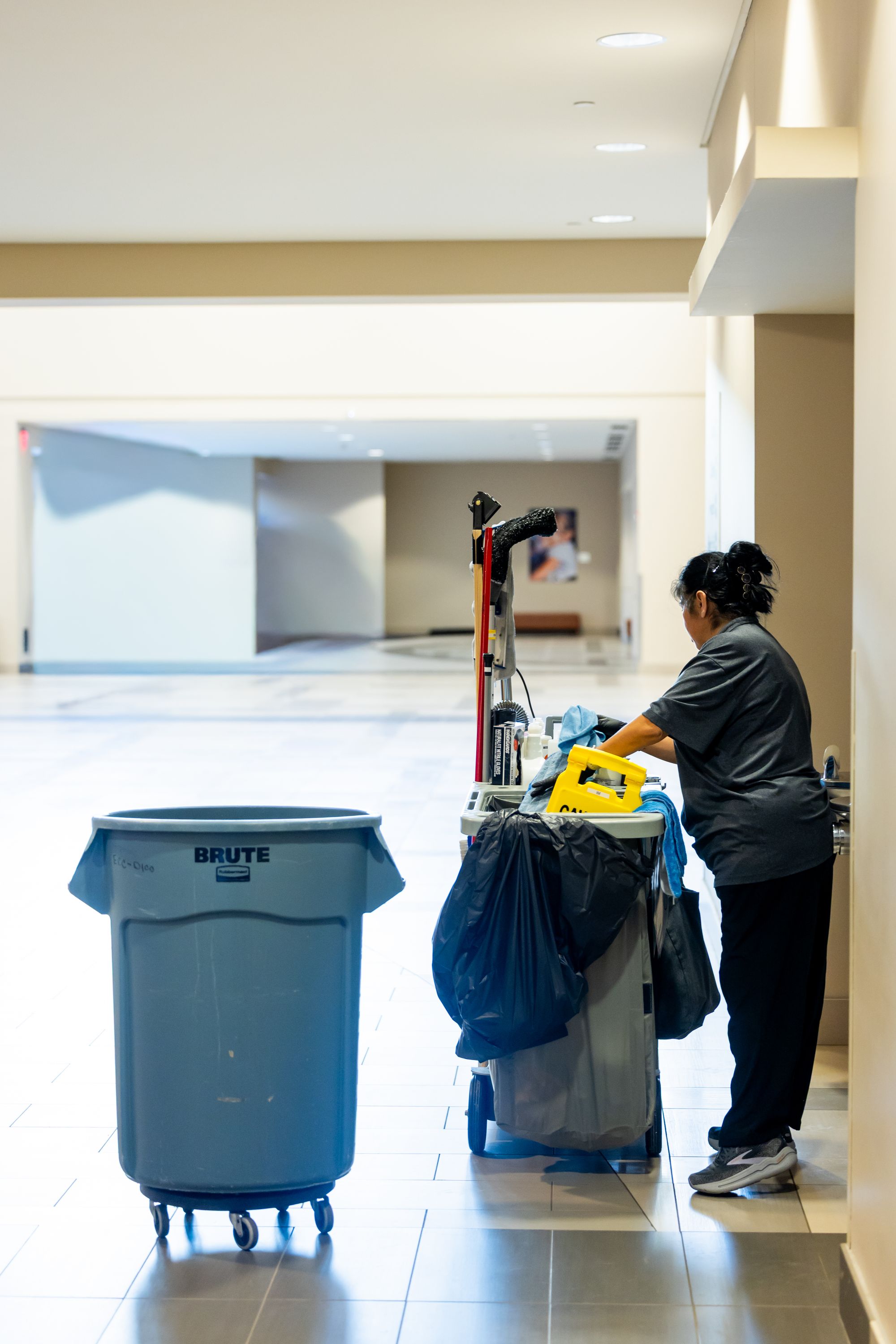
Use the visual and written context together; the operational decision still depends on the approved source, local conditions and accountable review.
01 · Core idea
Translate policy into an area plan
A healthcare cleaning standard becomes executable when the room or zone, work type, frequency, responsible role and approved source are explicit.
02 · Core idea
Keep task evidence close to the work
Completion, access problems, supply gaps and exceptions should be recorded where supervisors can act on them.
03 · Core idea
Close the loop
Monitoring only improves execution when an exception becomes coaching, corrective action or a controlled change in the local process.
Decision boundary
Know what the guide can clarify — and what it cannot authorise.
Use this guidance to structure the task, inputs and review. Product labels, SDS, technical documentation, contracts, approved SOPs and accountable human decisions remain authoritative where they apply.
Working sequence
Turn the guide into an operating sequence.
Use these steps as a compact handoff from reading back to the real task.
- 01
Identify the area and approved protocol.
- 02
Assign the work type, frequency and role.
- 03
Execute using the controlled local procedure.
- 04
Record exceptions and evidence.
- 05
Verify closure and feed recurring issues back to supervision.