
Define the area
Begin with the spaces, risks and approved instructions that govern your site.
Healthcare · Sector operations
Healthcare cleaning is risk-based: the room, contamination likelihood, patient vulnerability and touch frequency change what needs to be cleaned, how often and how rigorously.
Designed around your operation
Bring areas, assignments and review points together while keeping your facility’s approved infection-prevention procedures in control.
Explore the operating areas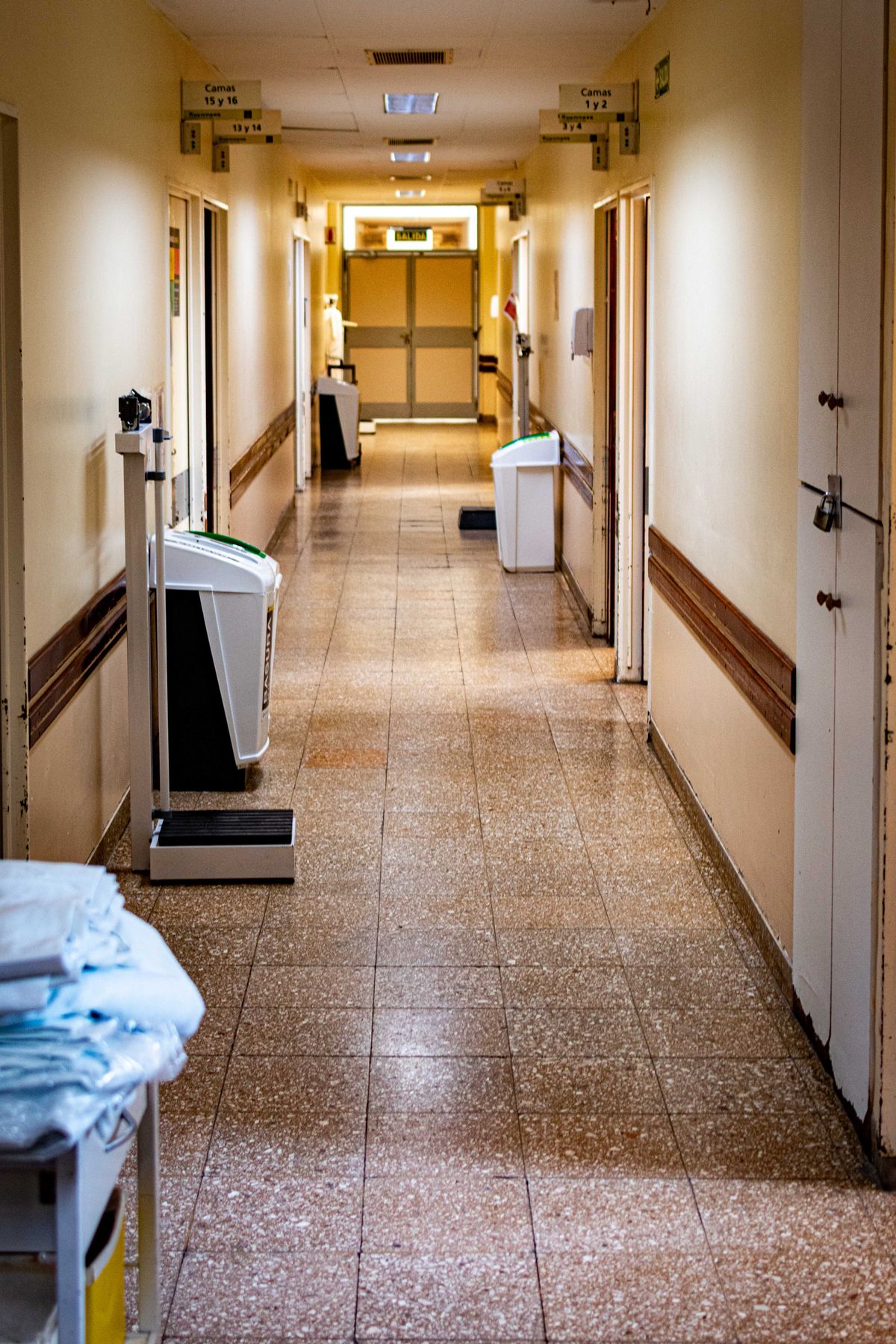
Context · area and approved method
✓Ownership · responsible team
✓Evidence · completion and exceptions
✓Review · accountable closure
↗A simple working rhythm
Begin with the spaces, risks and approved instructions that govern your site.
Make responsibilities and operating constraints visible before work begins.
Record exceptions and route unresolved items to the responsible person.
Before you begin
Useful tools start with clear boundaries.
No. Use the planner alongside approved SOPs and locally defined responsibilities. It structures the work; it does not set your operating standard.
Saved drafts and snapshots stay in the browser where they were created. They are not account-synced or automatically shared across devices.
The Guides and Help sections explain each sector planner, including local storage and source references.
01 · Recognise the context
The surface, soil, frequency, people and control requirements change from one space to another. Name the area before choosing a method or tool.
Routine and terminal cleaning, bedside zones and high-touch surfaces.
Shared seating, reception, corridors and common touchpoints.
Controlled procedure areas and adjacent support zones.
Benches, selected equipment and controlled work areas.
Sanitary fixtures, tiles, toilets and scale-prone surfaces.
Mixed facility-wide cleaning and housekeeping requirements.
02 · Decide what matters
These priorities help separate the important operational constraints from background noise.
Cleaning frequency and method should reflect contamination risk, patient vulnerability and exposure potential.
Identify high-touch surfaces by area and keep them visible in checklists and job aids.
Standardise protocols, monitor cleaning performance and surface exceptions for accountable review.
Working tool · Healthcare
Build an operational draft from your facility's approved environmental-cleaning protocol. This planner organises work; it does not create clinical rules or replace IPC approval.
Choose the operational context and add the approved SOP reference. The planner will turn those inputs into a structured shift card.
Execution sequence
Before closure
Working tool · Healthcare
Turn an approved high-touch protocol into a room-level verification card. TouchMap organises the surfaces your facility has already identified; it does not invent clinical frequencies or cleaning rules.
Add the room, approved protocol and facility-defined touchpoints. TouchMap will structure them into a repeatable verification sequence.
Approved touchpoints
Verification boundary
04 · Diagnose the execution gap
The largest gap is not the absence of cleaning guidance. It is keeping risk-based protocols, trained staff, daily workload, monitoring and corrective feedback aligned at the point of work.
Policies describe what should happen, but frontline teams still need area-specific assignments that convert risk, touch frequency and patient context into an executable shift plan.
Practical responseBuild a risk-based cleaning-plan builder that turns approved facility policy into area, frequency, sequence and responsibility cards without inventing clinical rules.
Healthcare cleaning requires structured training, demonstrations, refresher training and competency assessment. Static PDFs do not show whether a cleaner can execute the process correctly.
Practical responseBuild a competency and refresher tool with role-based microlearning, supervisor sign-off, observed-practice checklists and retraining triggers.
CDC guidance explicitly calls for estimating cleaning staff needs from workload and refining staffing empirically. Facilities often know the schedule but not whether the available labour can execute it reliably.
Practical responseBuild a workload planner that combines rooms, procedure areas, task frequency, turnover events and locally measured task times into shift demand and contingency requirements.
High-touch surfaces require more frequent and rigorous cleaning, but they are easy to miss when instructions are generic or memory-based.
Practical responseBuild an area-specific high-touch checklist with sequence, completion evidence, exceptions and supervisor sampling.
Routine monitoring is valuable only when deficiencies produce timely coaching, feedback and program-level action.
Practical responseBuild an environmental-cleaning audit loop that records observations, identifies recurring misses, assigns coaching and tracks closure over time.
A cleaning program depends on the correct products, PPE, equipment and reprocessing/storage practices being available when a task starts.
Practical responseBuild a shift-readiness check for chemicals, PPE, carts and equipment with low-stock and unavailable-item escalation.
Where cleaning is outsourced, responsibilities, staffing, training, schedules, monitoring and supplies still need explicit accountability.
Practical responseBuild a service-level execution tracker linking contract requirements to staffing evidence, training records, audits and exceptions.
05 · Choose the smallest useful tool
Nova helps interpret source-aware questions, Metricon handles transparent calculations, and CheckMate compares evidence that should agree.
Ask product, surface, workflow and document questions with source context.
Open tool Metricon Dilution calculatorPrepare an approved working solution from a documented ratio or concentration.
Open tool Metricon Dosage calculatorTranslate approved mL/L dosage into concentrate, water and batch cost.
Open tool Metricon Usage calculatorTrack consumption per task, daily use, monthly projection and stock runway.
Open tool Metricon Coverage calculatorEstimate product volume and containers for documented surface coverage.
Open tool CheckMate Document MatchCompare identifiers, quantities and dates across records that should agree.
Open tool06 · Keep ownership clear
Clarity improves when each person can see what they own, what they need from others and which exceptions still require action.
Clear area-specific tasks, source instructions and shift priorities.
Assignment control, monitoring, coaching, exceptions and closure.
Approved protocols, audit visibility and recurring execution trends.
Supply readiness, product availability and contractor accountability.
07 · Verify that work is moving
Use observable operating signals. The underlying tasks, evidence and exceptions should stay inspectable instead of collapsing into an opaque score.
Reference framework
These pages organise work; they do not replace the controlled document, facility procedure or authoritative guidance that defines the actual requirement.
Risk-based cleaning frequency and method, high-touch surfaces, schedules, checklists and job aids for patient-care areas.
Training and implementation resources for environmental cleaning and infection prevention in health-care facilities.
A risk-based quality-improvement framework covering environmental cleaning and wider WASH controls in health-care facilities.
Close the loop
Use the sequence to move from the real operating situation to a clear next action. Product labels, SDS, approved procedures and accountable specialist decisions remain authoritative where they apply.
Name the context
Use the smallest relevant tool
Verify the evidence and ownership